September 24, 2026
Creating healthy garden beds brings warmth and lasting value to your residential landscape. Working with professional landscapers ensures that your flowering plants and soil stay protected through every season.
Evaluating Your Garden Needs
Healthy garden beds start beneath the surface in the soil. Professional landscapers begin by assessing the soil structure to measure nutrient levels and drainage capacity. Testing reveals whether your dirt contains heavy clay or loose sand, helping determine which natural soil amendments will help your plants thrive.
Testing also highlights invisible issues like heavy soil compaction. When dirt becomes tightly packed, plant roots struggle to spread and absorb moisture. Loosening compacted earth creates an ideal environment for new root growth.
Selecting Suitable Plants
Choosing flowers and bushes requires matching plant needs with your specific yard conditions. Experienced landscapers select plant varieties that complement each other while sharing similar soil preferences. Grouping plants with matching preferences prevents overwatering or starving neighboring foliage.
Local weather patterns also play a large role in plant selection. Choosing varieties that handle local weather shifts keeps your beds vibrant year after year. Careful selection reduces plant loss and keeps your landscape looking full.
Mapping Sunlight Patterns
Every plant variety requires a specific amount of daily sunlight to produce healthy leaves and blossoms. Mapping out sun and shade patterns across your yard ensures every plant sits in a suitable location. Areas receiving direct afternoon sun suit hardy perennials, while shaded spots near trees suit delicate foliage.
Sun mapping also prevents costly planting mistakes. Placing shade-loving plants in direct sunlight leads to scorched leaves and stunted growth. Strategic positioning allows your garden beds to flourish with minimal stress.
Estimating Water Requirements
Proper hydration keeps garden beds lush without creating swampy conditions that cause root rot. Evaluating how water moves through your yard helps establish efficient watering schedules. Delivering moisture directly to root zones prevents unnecessary evaporation and water waste.
Observing natural rainfall patterns allows for easy adjustments during wet or dry spells. Deep watering encourages roots to grow deeper into the soil, creating stronger plants that handle summer heat comfortably.
Improving Soil Health
Enriching garden soil with compost and natural mulch provides a continuous supply of vital nutrients. These organic additions improve soil texture, allowing air and water to circulate freely around plant roots. As organic matter breaks down over time, it feeds soil microbes that support plant health.
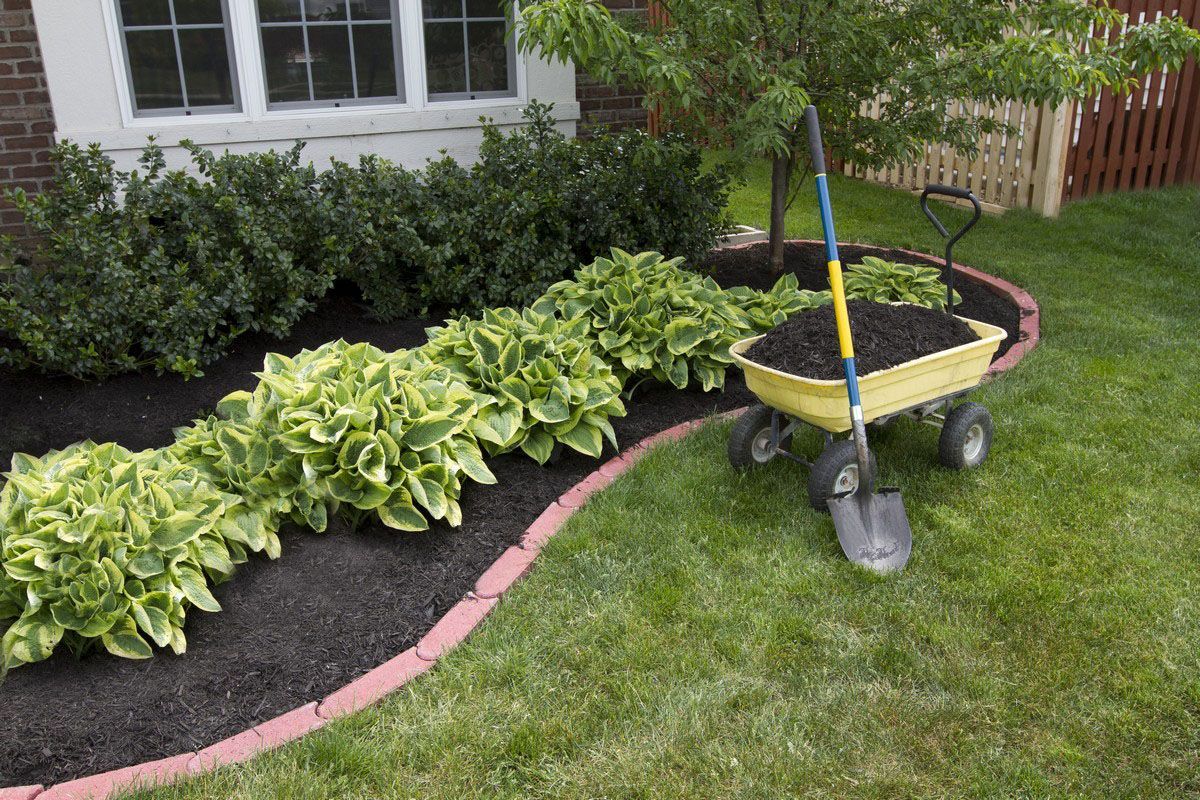
When applying surface protection, landscapers spread organic mulches to regulate soil temperatures and block unwanted weeds. According to This Old House, applying a two- to three-inch layer of mulch around your plants provides ideal protection. This protective blanket holds essential moisture near root zones during hot summer afternoons.
Balancing pH Levels
Soil pH directly affects how easily plant roots absorb surrounding nutrients. Some ornamental plants prefer acidic dirt, while others require neutral conditions. Adjusting soil pH with natural minerals like lime or sulfur restores balance to your garden beds.
Regular testing prevents nutrient lockout, a condition where plants cannot access soil minerals despite fertilization. Maintaining proper pH balance ensures your foliage stays vibrant and healthy throughout the growing season.
Building Drought Resistance
Preparing garden beds for hot weather protects your landscape investment. Mixing water-retaining organic matter into the soil helps dirt hold moisture longer between waterings.
Selecting drought-tolerant plant varieties alongside protective mulching keeps your garden colorful even when rainfall is scarce. These proactive preparations reduce plant stress during dry summer months.
Designing Functional Layouts
A successful garden layout accounts for how large plants will grow over several years. Skilled landscapers arrange plants with future growth in mind, giving each shrub and perennial plenty of room to expand. Proper spacing prevents overcrowding, which can cause plants to compete for sunlight and soil nutrients.
Giving plants adequate breathing room also improves airflow around stems, keeping foliage dry and healthy.
Creating Defined Borders
Building clear borders around garden beds establishes clean lines while keeping turfgrass out of planting areas. Using sturdy edging materials like natural stone or brick holds mulch firmly in place.
Defined boundaries also make lawn mowing and routine yard maintenance much easier. Clean edges protect delicate plant stems from accidental damage caused by string trimmers.
Controlling Soil Erosion
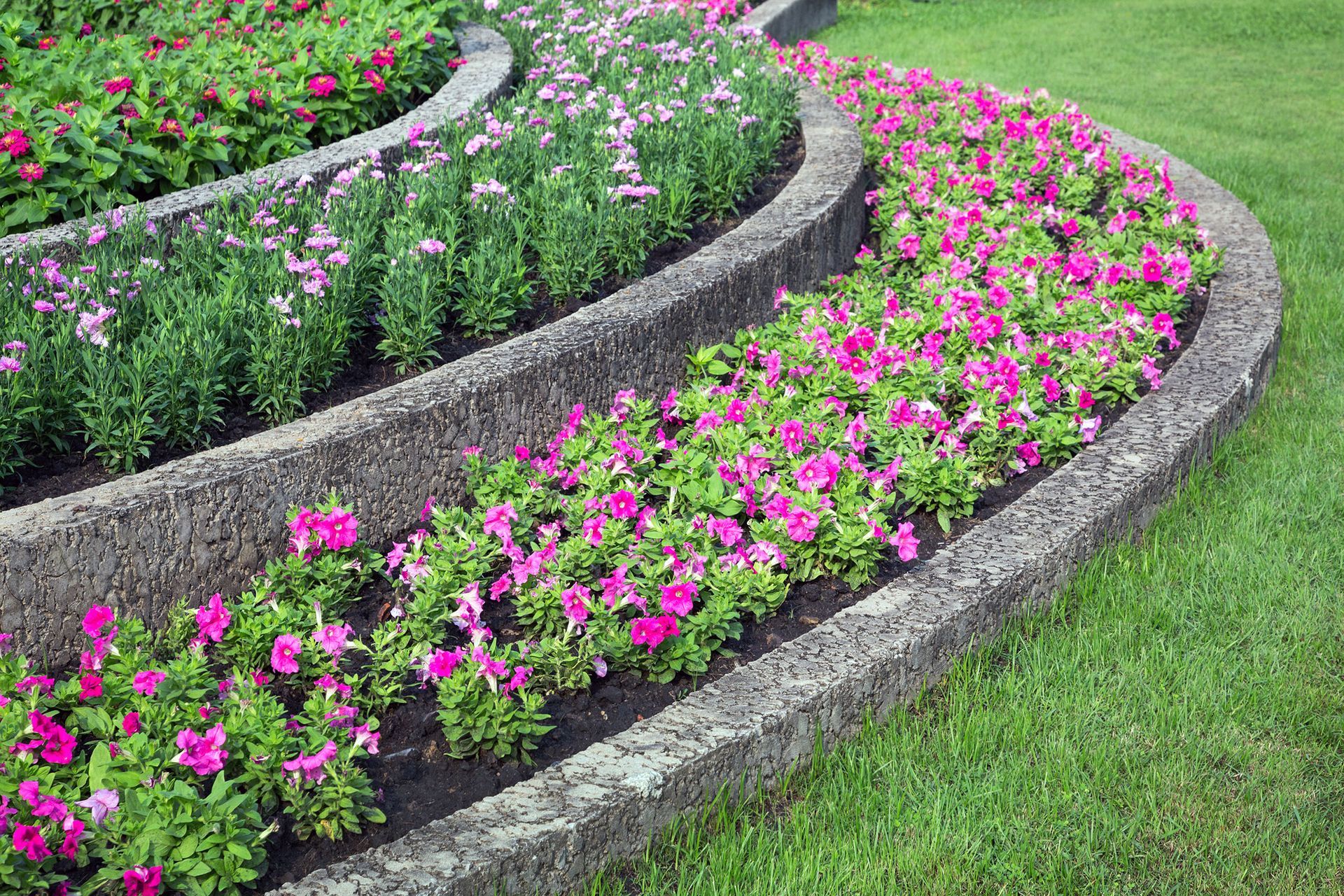
Heavy rainstorms can quickly wash away topsoil and mulch from exposed garden beds. Constructing terraced slopes or installing retaining walls helps lock soil securely in place.
These erosion control methods slow down rushing rainwater, allowing moisture to sink gently into the ground. Protecting topsoil preserves valuable nutrients and keeps your garden beds looking neat after heavy downpours.
Managing Pests and Diseases
Protecting plant beds requires regular inspections to catch pest activity or disease early. Seasoned landscapers identify early signs of insect damage before problems spread across the yard. Spotting discolored leaves allows for quick solutions.
Early intervention prevents minor issues from weakening entire plant groups. Keeping a close eye on garden health ensures your plants remain strong throughout the active growing season.
Applying Targeted Treatments
Managing garden pests involves using safe control methods that protect non-target plants. Introducing beneficial insects helps keep harmful aphid populations down naturally.
When treatments become necessary, choosing targeted options minimizes disruption to surrounding soil life. Responsible application protects friendly pollinators while keeping destructive pests away from your flowers.
Preventing Plant Diseases
Preventing disease starts with good garden habits like clean pruning and proper plant spacing. Removing dead leaves stops fungal spores from hiding in the soil over winter.
Watering near the base of plants keeps foliage dry and less susceptible to mildew. Simple preventive care maintains an environment where healthy plants thrive.
Maintaining Beds Seasonally
Spring arrival marks the time for clearing away winter debris and refreshing garden soil. Removing dead stems prepares planting beds for fresh spring growth.
Adding fresh compost gives emerging perennials a rich nutrient boost. Early spring preparation sets a strong foundation for colorful blossoms all season long.
Sustaining Growth in Summer
Midsummer maintenance focuses on consistent watering and removing spent blooms. Removing faded flowers encourages plants to produce fresh blossoms continuously into late summer.
Monitoring soil moisture during peak heat ensures plants receive adequate hydration without drowning roots. Consistent care keeps garden beds looking lively during hot weather.
Clearing Debris in Fall
Autumn care involves preparing garden beds for upcoming cold weather. Cutting back finished perennials prevents pests from hiding near plant crowns.
Applying a fresh layer of mulch insulates root systems before the ground freezes solid. Fall cleanup leaves your yard neat and ready for winter rest.
Shielding Plants in Winter
Protecting delicate shrubs from cold winter winds prevents branch breakage and frost damage. Wrapping vulnerable plants in burlap shields foliage from harsh freezing temperatures.
Checking border edges and mulch layers before the first freeze protects root systems beneath the snow line. Careful winter shielding ensures your plants wake up healthy when spring returns.
Taking care of garden beds requires time and ongoing attention to detail. From soil preparation and plant selection to seasonal maintenance, professional care keeps your property looking neat.
When you want to enhance curb appeal and protect your garden investment, working with the team at Ryan's Green Thumb Landscaping brings hands-on skill and dedicated care to every outdoor project. To learn more about customized garden bed maintenance or schedule a consultation for your yard, contact Ryan's Green Thumb Landscaping today.